


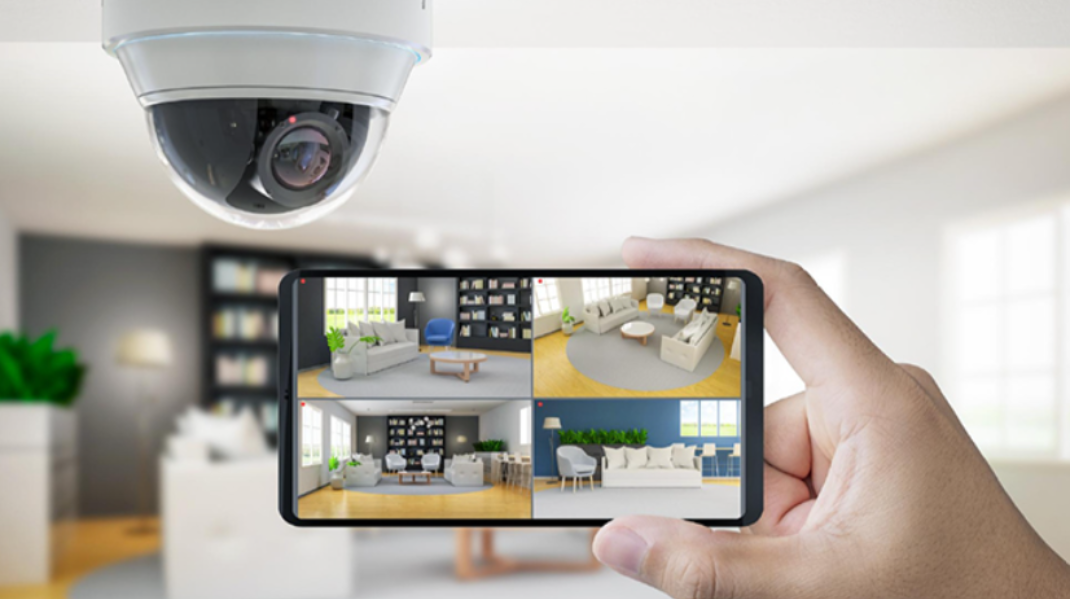
Security cameras have become common across residential societies, offices, schools, shops, warehouses, and commercial properties. Yet installing cameras without planning their locations, coverage, recording requirements, and maintenance can leave significant surveillance gaps. Effective CCTV installation starts with understanding what the property actually needs to monitor.
For premises in Balewadi and other parts of Pune, the right surveillance design should reflect the property's layout, access points, occupancy, and security concerns.
Start With the Purpose of Surveillance
Before selecting cameras, define why CCTV is required.
Common objectives include:
- Monitoring entrances and exits
- Observing visitor movement
- Covering parking areas
- Monitoring common spaces
- Protecting restricted zones
- Reviewing incidents
- Supporting security personnel
- Monitoring activity during non-operational hours
These objectives influence camera placement and system configuration.
Camera Placement Is More Important Than Camera Count
More cameras do not automatically create better coverage.
Poor positioning can result in blind spots, obstructed views, excessive glare, unsuitable angles, or footage that does not capture useful details.
A site assessment should identify critical locations such as gates, entrances, reception areas, corridors, parking zones, loading areas, and other points where monitoring is justified.
Lighting conditions also need consideration because an area may look very different during daytime and after dark.
Recording Requirements Should Be Planned
Property managers should decide how footage will be recorded and how long it needs to remain available based on legitimate operational requirements, system capacity, applicable rules, and organisational policies.
Storage needs depend on factors including:
- Number of cameras
- Video resolution
- Recording duration
- Frame rate
- Continuous or event-based recording
- Retention period
These decisions are better made during system planning rather than after storage becomes insufficient.
Surveillance Does Not Replace Physical Security
CCTV and security personnel perform different but complementary roles.
Cameras provide visual monitoring and recorded evidence, while trained personnel can respond to events, manage visitors, control access, and communicate with occupants.
For larger properties, integrating surveillance with physical security procedures can create a more organised system than treating cameras as a standalone solution.
Maintenance Is Essential After Installation
A camera that has shifted position, developed a dirty lens, lost connectivity, or stopped recording may provide a false sense of coverage.
Periodic checks should confirm:
- Cameras remain correctly positioned
- Lenses are clear
- Recording is functioning
- Date and time settings are accurate
- Storage is operating properly
- Required footage can be retrieved
- Connections and power supplies remain stable
Testing footage retrieval is particularly important. Discovering that recordings cannot be accessed only after an incident defeats a major purpose of surveillance.
What Should You Discuss Before Installation
Before approving a system, ask the provider to explain the proposed coverage, recording arrangement, storage capacity, access controls, maintenance requirements, and areas that may remain outside camera view.
Privacy should also be considered carefully. Cameras should be positioned for legitimate security purposes while respecting spaces where surveillance would be inappropriate.
Vistiq Integrated Services provides CCTV installation and surveillance support alongside security and facility-related services. For properties in Balewadi, combining a site-specific surveillance plan with clear security procedures can make the system more useful in everyday operations.
The most effective CCTV setup is therefore not necessarily the one with the highest number of cameras. It is the system that provides purposeful coverage, usable recordings, responsible monitoring, and dependable performance when footage is actually needed.